

Blog
Artificial Greenery for Hotel Lobbies: Scale, Sightlines and First Impressions
A hotel lobby is judged in the time it takes to cross it. Guests arrive tired, dragging a case, scanning for the desk — and in those few seconds they form an opinion the rooms then have to live up to. Greenery does a surprising amount of that work, which is why it fails so visibly when treated as an afterthought.
Lobby greenery fails for one of three reasons: wrong size, wrong place, or put somewhere it cannot survive. All three are solvable before anything is ordered.
Scale comes before species
The first decision in a lobby is not which plant, but how big. Lobbies are usually double-height or close to it, and a 1.8-metre ficus that would command a living room simply disappears under a five-metre ceiling. It reads as a pot on the floor rather than as part of the architecture.
A feature tree generally needs to reach well into the upper half of the volume it occupies before it feels deliberate. Canopy width matters just as much: a tall, narrow tree in a wide lobby looks stranded, while a broad canopy at the right height forms a ceiling of its own over a seating cluster.
This is the practical argument for having pieces built rather than bought off a shelf. Because everything is fabricated in our own workshop in Jdeideh, height and canopy spread are set by the room — the ceiling, the mezzanine edge, the chandelier the canopy must not fight. Custom artificial trees can be made to any size, which in a lobby is less a luxury than a requirement.
Sightlines: greenery earns its keep by what it hides
Before choosing pieces, walk the lobby the way a guest does and note what you see from four positions: the entrance doors, the queue at reception, the seating, and the lift lobby.
Those views usually reveal the same problems — a service door, a back-of-house corridor, a column landing awkwardly mid-floor, a blank wall behind the desk. Greenery is the most forgiving way to solve them, because it screens without reading as a barrier.
The logic works in reverse too. Whatever you want photographed — the desk, a staircase, an artwork — should be framed by greenery, not crowded by it. A common mistake is putting the largest piece dead centre, where it blocks the line from the doors to the desk and quietly makes arrival harder.
Why lobbies are hard on living plants
Lobbies look bright, but most of their floor area sits well back from the glazing, in light no foliage plant enjoys. Add constant air conditioning, doors opening onto street heat and dust, and watering that has to happen around guests, and living greenery becomes a running cost with a visible failure mode: the half-dead ficus nobody has had time to replace.
Artificial greenery removes that variable. The piece looks the same in February and in August, with no watering crew, no drip trays and no replacement cycle. For a space on display every hour the hotel is open, that consistency is the point.
Reading as real at conversation distance
Lobby greenery is inspected more closely than greenery anywhere else, because guests sit beside it for twenty minutes waiting for a room or a colleague. It has to hold up at arm’s length, not just from the door.
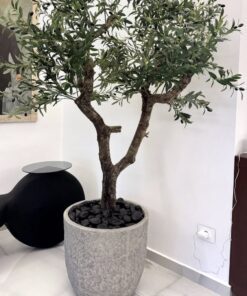
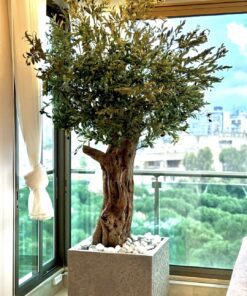
Two things decide that. The first is the trunk: we build on preserved natural trunks, so bark, taper and irregular branching are real rather than moulded, and the eye accepts the piece before it examines the leaves. The second is foliage density — thin, evenly spaced foliage is the clearest giveaway of a cheap tree, while real canopies are uneven, dense in places and open enough elsewhere to see through.
Planters are half the piece
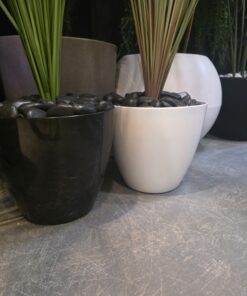
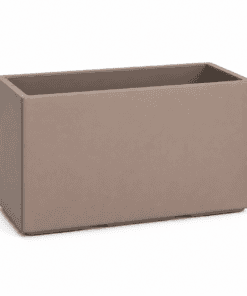
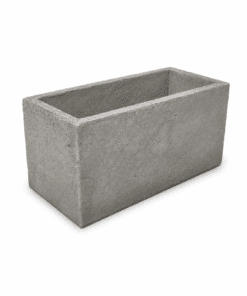
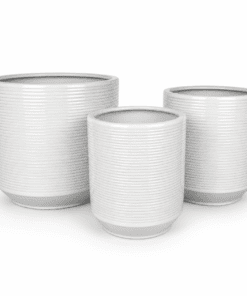
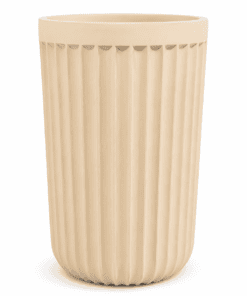
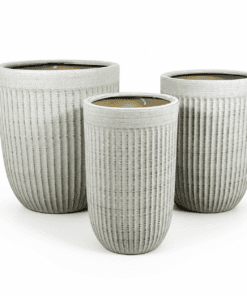
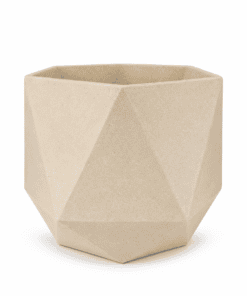
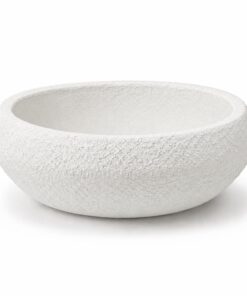
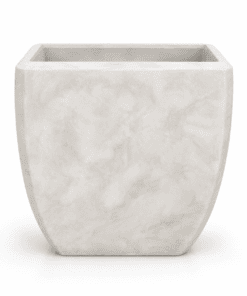
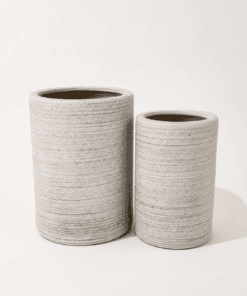
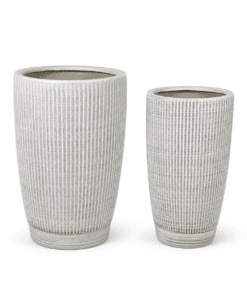
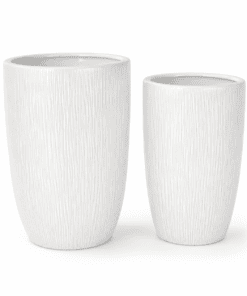
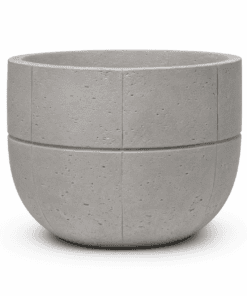
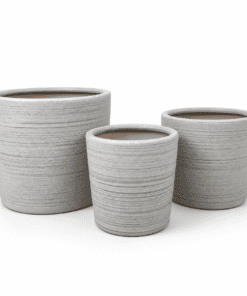
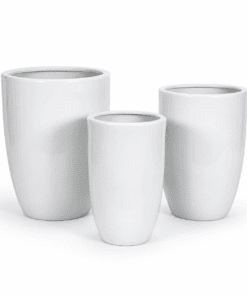
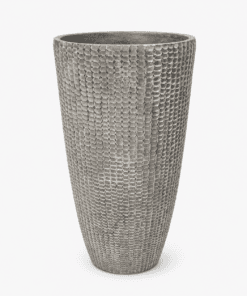
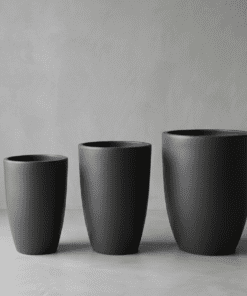
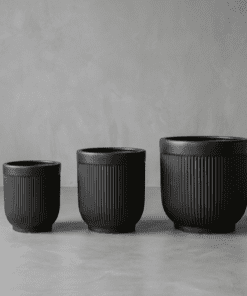
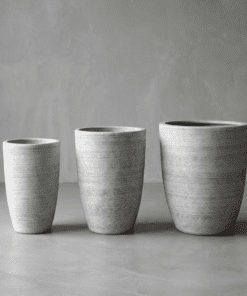
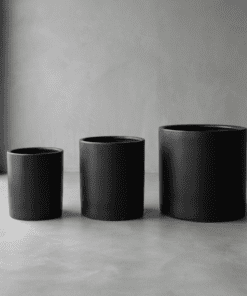
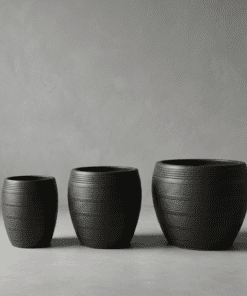
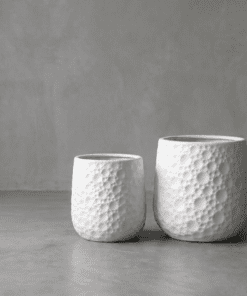
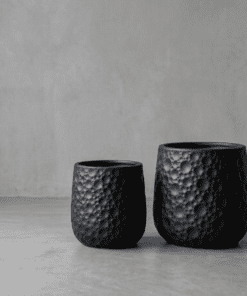
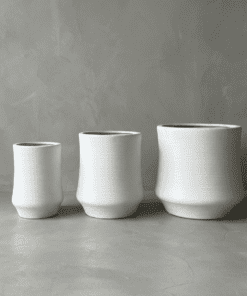
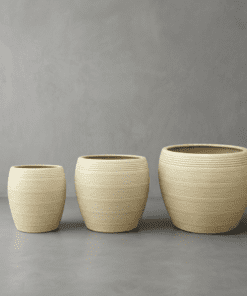
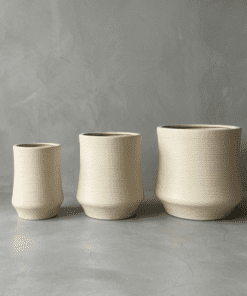
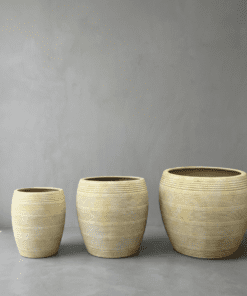
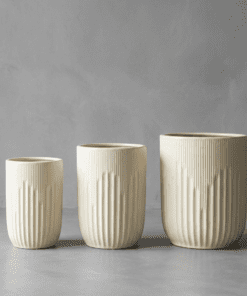
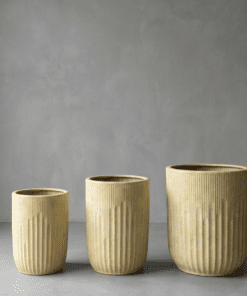
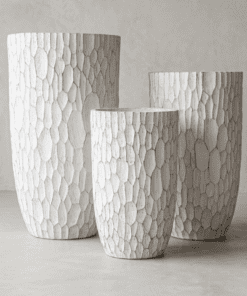
A well-built tree in a builder’s pot still looks temporary. In a lobby the planter is a piece of furniture and should speak the same material language as the rest of the room — stone, brushed metal, timber, or a colour drawn from the scheme.
Weight matters too: a planter that looks correct under a large canopy also has to be wide and heavy enough at the base to stay put where cases and trolleys pass it all day. Custom planters are sized to the tree they hold rather than chosen afterwards from what fits.
Vertical surfaces and the wall behind reception
The wall behind the desk is the most photographed surface in the building and often the emptiest. An artificial green wall covers it without lighting rigs or irrigation, and can carry the hotel’s name integrated into the foliage rather than mounted on top of it. Lift lobbies, stair walls and corridor ends are worth the same treatment, wherever floor space is too valuable for a planter.
Installing without closing the lobby
Lobbies never shut, which shapes the work. Pieces are assembled as far as possible in the workshop, then delivered and installed on site, with large canopies finished in position so they pass through doors and lifts. Installation can be scheduled around quiet hours, and we deliver and install anywhere in Lebanon. For custom trees, allow roughly 20–25 working days for fabrication before the installation date.
Frequently asked questions
How big should a lobby tree be?
Measure the ceiling height at the exact position, then choose a tree that fills well into the upper half of that volume, with a canopy wide enough to relate to the furniture beneath it. Send the measurements or a photo of the corner and we will propose a height and spread.
Will guests be able to tell it is artificial?
At close range, quality decides it. Preserved natural trunks and dense, varied foliage are what allow a piece to hold up at the distance a seated guest views it from. You are welcome to judge that yourself at the showroom before ordering.
Can the same pieces go outside at the entrance?
Yes, provided they are built for it. Outdoor pieces use anti-UV foliage and are weighted and anchored for wind, which matters at an exposed entrance or driveway.
Can you work from an architect’s drawings?
Yes. Send the plans, elevations or renders and we will work to the dimensions and the finishes specified.
Planning greenery for a lobby?
Send photographs and ceiling heights and we will come back with pieces sized to the space rather than to a catalogue. See what we do for hotels and resorts, message us on WhatsApp, or use the contact page. The showroom in Jdeideh, facing St. John Greek Orthodox church, is open if you would rather see the work first.