

Blog
From a Photo of an Empty Corner to an Installed Tree: How a Project Runs
Most projects here begin with a photograph taken badly. Someone stands in a doorway, holds the phone too low, and sends us a picture of an empty corner with a bit of skirting board and half a sofa in it. That is genuinely enough to start. What follows is a sequence we run the same way every time, whether the piece is a two-metre ficus for a flat in Achrafieh or a canopy filling a double-height atrium.
Step one: the photo, and the three things we ask about it
A photo tells us the style of the room, the light, and the colours already in play. It does not tell us the three things that decide the build, so we ask for them straight away.
Ceiling height. Not an estimate — a measurement, taken with a tape from floor to ceiling at the spot the tree will stand. A canopy needs breathing room above it. A tree built to exactly fill the height looks trapped; one built a comfortable margin short looks intentional.
Width available. How far the branches can spread before they touch a wall, a curtain track, a light fitting or the path people walk. This is the number most people underestimate, because a tree in a photograph looks narrower than it is in a room.
Where the light comes from. A window on one side, spotlights from above, or a dim corner — each changes how we build the canopy. Foliage that reads beautifully under warm downlights can look flat against a bright window, and a tree in a dark corner needs a more open branch structure so it does not become a silhouette.
If the space is being built or renovated, drawings are better than photos and we will work from them directly. If you would rather not measure anything, the showroom in Jdeideh is there for exactly that reason — stand next to a finished tree and the question of scale answers itself in about ten seconds.
Step two: choosing the character of the tree
Species comes next, and it is a design decision more than a botanical one. An olive reads as Mediterranean, calm, slightly austere — it suits stone, plaster and neutral palettes. A ficus is rounder and softer and fills a corner more generously. Blossom brings colour and drama but sets a strong tone the whole room has to live with. Palms belong to open, bright, resort-type spaces and look strained in a small interior.
At this stage we also settle the trunk. Most of our large pieces are built on preserved natural trunks — real wood, treated so it stays stable indefinitely, with the splits, hollows and bark texture that no moulded trunk reproduces convincingly. It is the single biggest factor in whether a tree is believed at close range, which matters most in exactly the places people stand closest: entrances, reception desks, the corner beside a dining table.
Step three: the quote, and what it is based on
A quote follows from height, canopy spread, trunk, foliage grade and the planter. Indoor and outdoor specifications differ — anything going onto a terrace, a driveway or a rooftop is built with anti-UV foliage and weighted for wind, and that changes both the build and the figure.
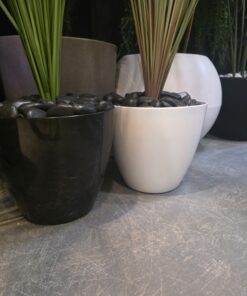
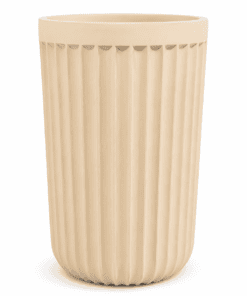
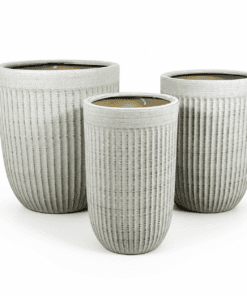
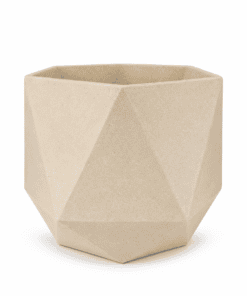
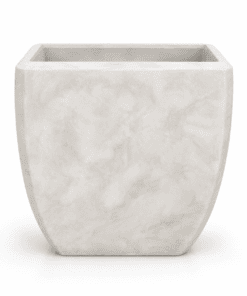
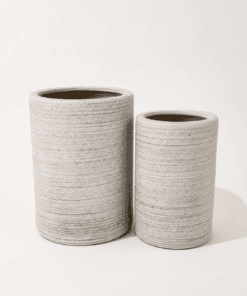
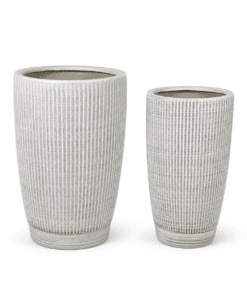
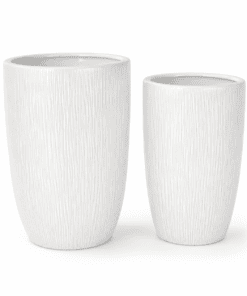
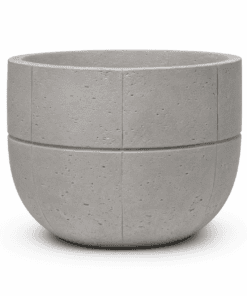
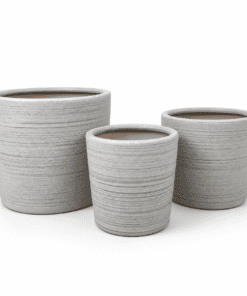
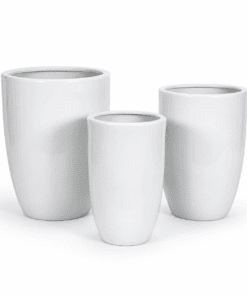
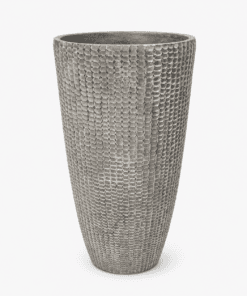
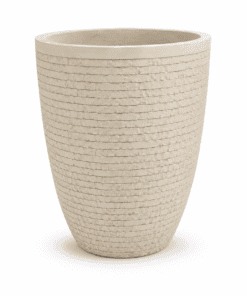
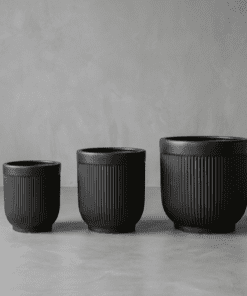
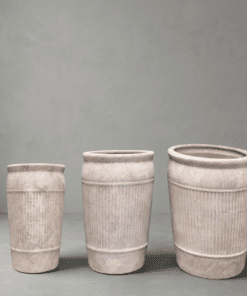
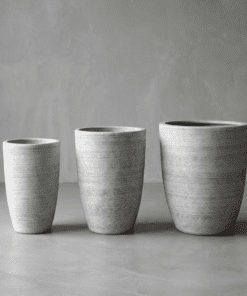
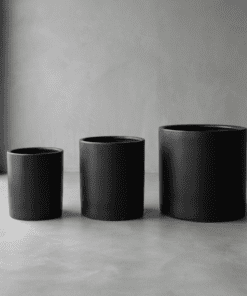
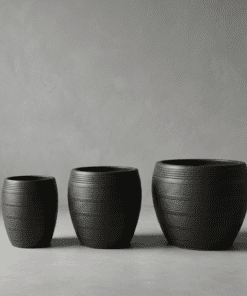
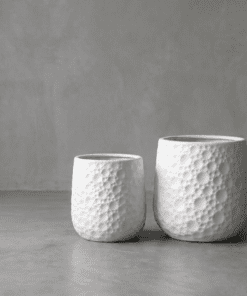
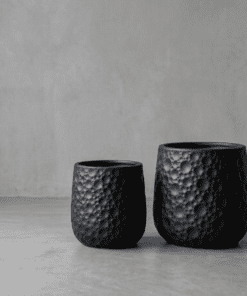
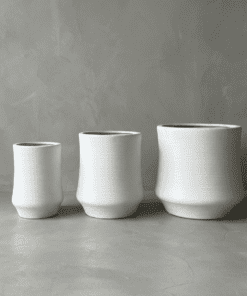
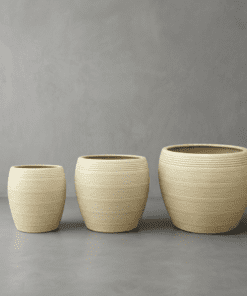
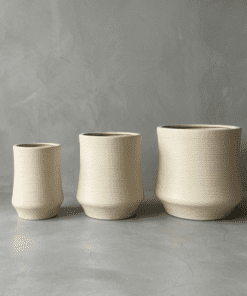
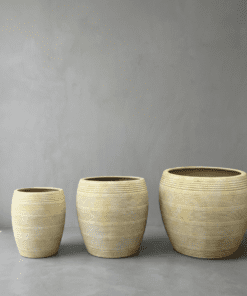
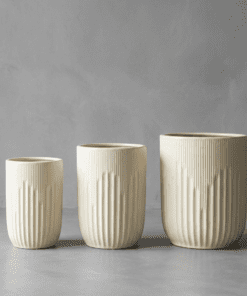
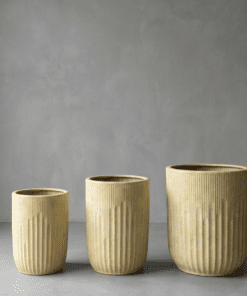
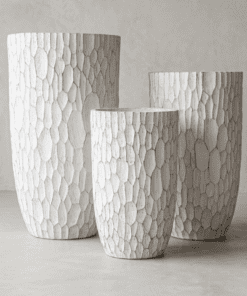
The planter is quoted alongside the tree rather than bolted on afterwards, because the two are structurally related. A planter is what holds a heavy piece upright and stops it becoming a hazard, so we size it to the tree, not to the corner. Custom planters get finished to match the room — stone, painted, textured, whatever the space asks for.
Step four: fabrication in the workshop
Once the design is agreed, the piece is built in our own workshop in Jdeideh. It is not ordered from a catalogue and unpacked. The trunk is selected and mounted, the branch structure is built out to the agreed spread, and foliage goes on by hand, layer by layer, until the density is right — sparse enough to see structure through it, full enough that the eye does not hunt for gaps.
For custom trees the build typically runs around 20 to 25 working days. That is the honest figure and we would rather give it plainly than promise a week and disappoint. Being a factory rather than a reseller is what makes a mid-build change possible at all: if the canopy needs to come in twenty centimetres because a light fitting moved, that is a conversation with the person building it, not a returns process with a supplier abroad.
Step five: delivery and installation
We deliver and install across Lebanon. A large tree usually travels with the canopy partly folded and is opened out on site, which is why installation is a job rather than a drop-off — the branches are set, the tree is squared to the sightlines that matter, and the base is levelled and weighted.
Sightlines matter more than people expect. A tree has a best face, and it should point at whoever walks in the door, not at the wall. That takes two minutes on installation day and is awkward to fix once the piece is heavy and settled.
Frequently asked questions
Do I need exact measurements before contacting you?
No. A photo and a rough idea are enough to begin the conversation. We will ask for a proper ceiling height before anything is built, and we can talk you through taking it.
Can you work from an architect’s drawings instead?
Yes, and we prefer it. Working from drawings lets us plan the piece into the space before the space exists, which is much easier than retrofitting later.
How long does a custom tree take?
Around 20 to 25 working days for custom pieces, depending on size and finish. Smaller ready pieces in the showroom can go home with you far sooner.
Can the design change once the build has started?
Within reason, yes — because we build it ourselves. The earlier a change comes, the easier it is to absorb.
Start with the corner
You do not need a design, a drawing or a species in mind. Send a photo of the space and the height, and we will tell you honestly what will work in it and what will not. Message us on WhatsApp or use the contact page — or come to the showroom in Jdeideh, facing St. John Greek Orthodox church, and see the custom trees in person before you decide anything.